
Most homeowners start wondering about replacement windows the moment something feels off. A draft here, a foggy pane there, a window that suddenly refuses to open when you just want some fresh air.
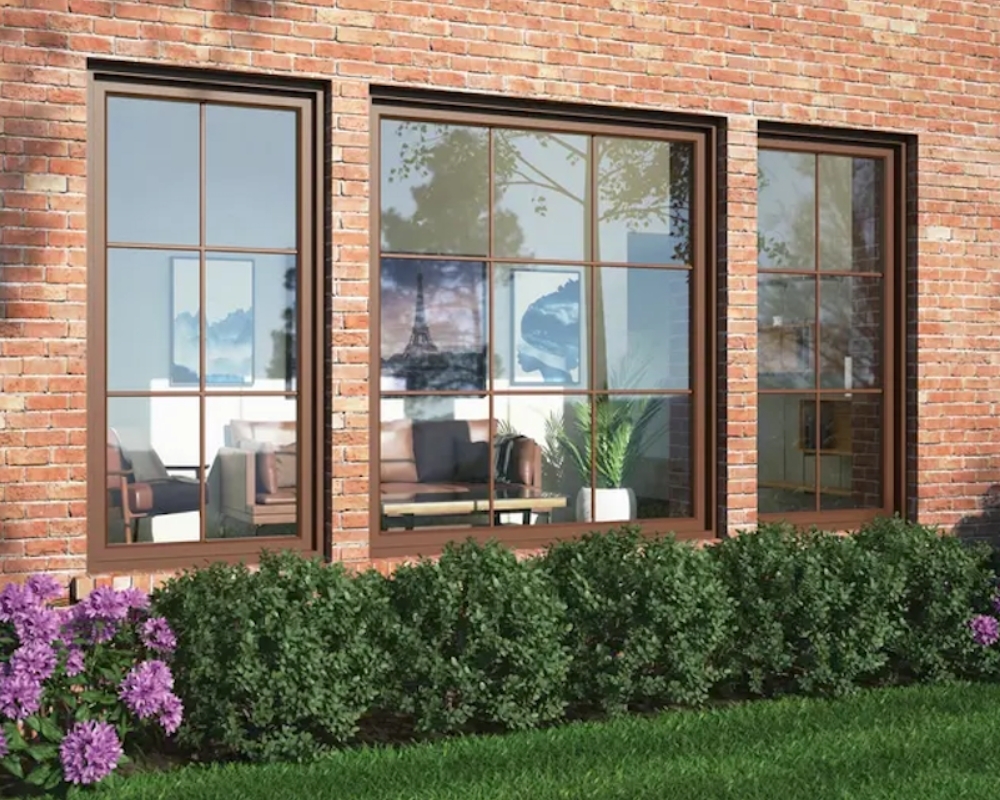
But then comes the real question…
“Are my windows actually at the end of their life, or am I overthinking it?”
With all the mixed information online, it’s hard to know what’s normal aging and what’s a real sign that your windows are done doing their job.
At Southwest Exteriors, we have spent more than 30 years examining windows across San Antonio and helping homeowners figure out which problems can wait, and which ones are quietly costing them comfort, money, or even safety. This guide will give you the clear, honest signs that truly matter.
Let’s walk through it together.
First: Windows Don’t Have an Expiration Date, They Have Symptoms
There’s no sticker that says “Replace by 2027.”
Instead, windows communicate through little signals that something is wearing out.
Some signs are mild and frustrating. Some are urgent and structural. Some look scary but are actually harmless. The trick is knowing which is which.
So here are the questions to ask your windows and what the answers actually mean.
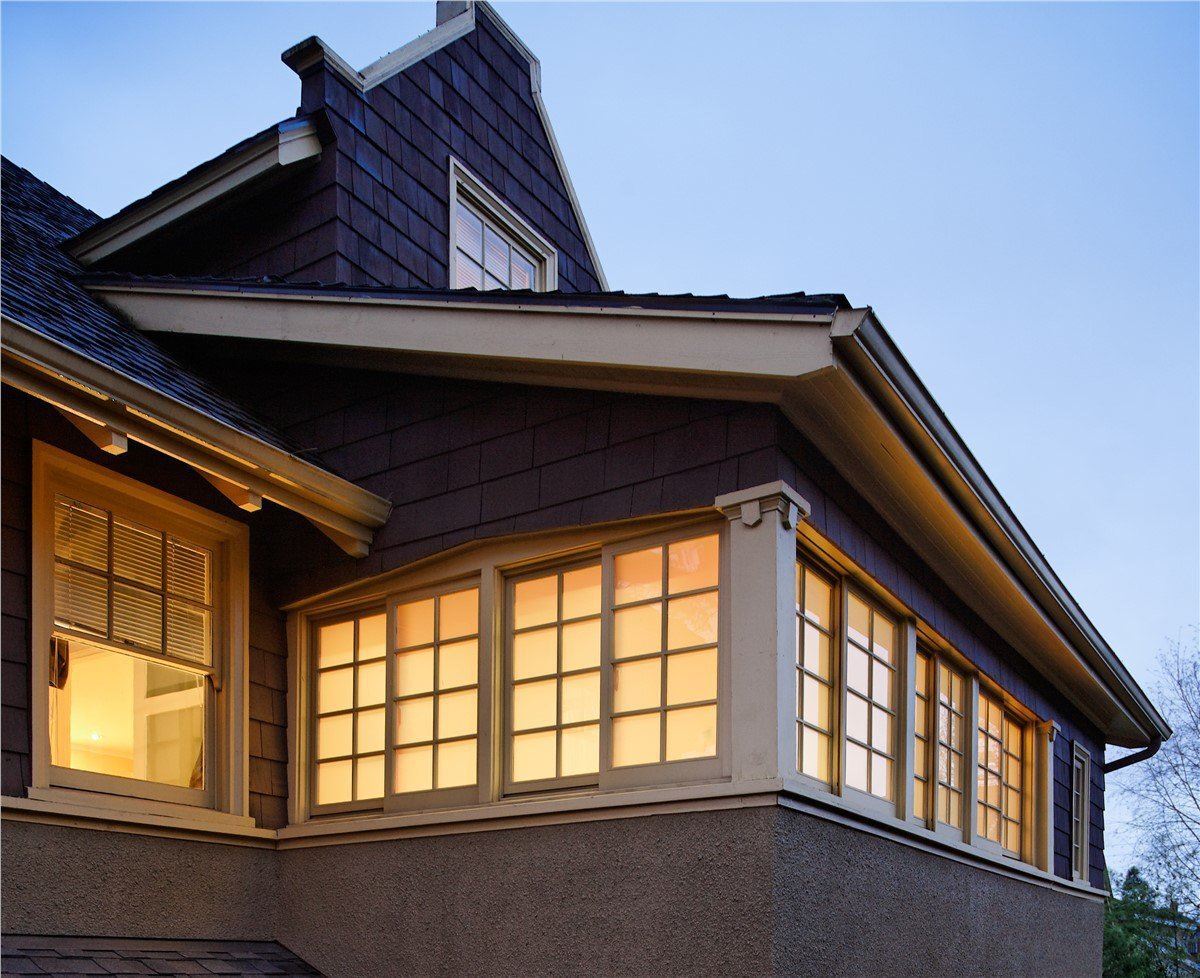
Question 1: “Are you keeping the weather outside, or letting it creep in?”
Signs your windows are no longer protecting your home:
- Drafts you can feel with your hand
- Rooms that swing from hot to cold quickly
- Floors, rugs, or furniture fading near windows
- Condensation or fog between the panes
- Water stains around the frame
What this means:
If air or moisture is sneaking through the glass, the seals or the frame, your windows are losing the battle against the Texas climate. This usually means the insulating performance has broken down and will only continue to get worse.
Question 2: “Do you still open and close smoothly?”
Common operation issues:
- Windows stick or jam
- You have to “fight” the sash
- Balances are failing
- The lock doesn’t line up
- Windows won’t stay open unless you prop them
What this means:
This is usually a structural or frame issue, not a glass issue. Warping, swelling, or deterioration tells you the window is aging past the point of healthy function.
This is rarely something that can be “fixed” long term.
Question 3: “Is the frame still solid, or is it soft, squishy, cracked, or warped?”
If you see:
- Soft wood
- Crumbling corners
- Buckling vinyl
- Cracks or bowing
- Holes or pest damage
What this means:
The frame is compromised.
This is the window equivalent of a knee that can no longer hold weight. Repairing the glass here won’t help, because the window’s structure is failing. Full replacement becomes the responsible option.
Question 4: “Are your energy bills creeping up even though your habits haven’t changed?”

Windows are often the silent culprit behind rising energy use.
Look for:
- AC running constantly
- Rooms that overheat in the afternoon
- Big temperature differences from room to room
What this means:
Your glass, your seals, your frames, or all three are no longer insulating your home the way they were originally designed to. Even if the glass looks “fine,” the performance behind the scenes may be shot.
Question 5: “Are you seeing fog inside the panes?”
This is one of the most misunderstood signs.
If the fog is between the panes: The seal on the insulated glass unit (IGU) has failed.
What this means:
You can replace just the glass, but remember:
- It won’t fix the frame
- It won’t improve drafts
- It won’t restore efficiency
- It is a short-term repair
Full window replacement is the long-term fix, especially if you plan to stay in your home.
Question 6: “Are my windows original to the home?”
Every home tells a story through its windows.
- Builder-grade windows often last 10 to 15 years
- Mid-tier vinyl maybe 15 to 20
- Fiberglass can last 30 to 50+
If your home is older and you still have the original units, chances are good they’re past their intended lifespan even if they “look fine.”
What Really Means Your Windows Have Reached End of Life
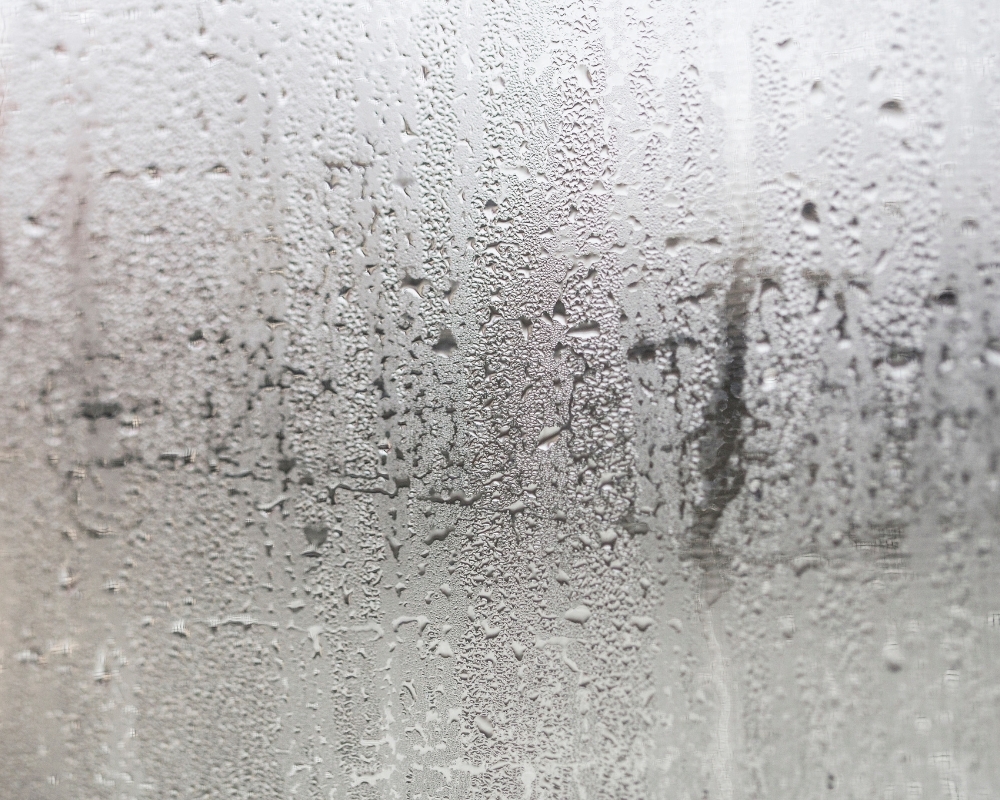
Here are the indicators that genuinely confirm it is time to replace:
- Drafts and temperature swings
- Fog between panes
- Structural damage like rot or warping
- Water infiltration
- Windows that no longer open or close safely
- Increasing energy bills without another explanation
If you check even two or three of these boxes, your windows are likely ready for replacement.
Signs You Can Ignore...for now
Not everything is a red flag. Some issues are cosmetic or preference-related.
These are not end-of-life signals:
- Slight discoloration of old frames
- Minor cosmetic scratches
- A faint tint from low E coatings
- Condensation on the inside surface during very humid days
- Older hardware that still functions properly
These are the kinds of things you can choose to fix or upgrade based on your timeline and budget.
How Southwest Exteriors Helps You Decide Without Pressure
Most companies want you to replace all your windows right now.
We don’t.
We start with one question:
“What do you want to feel different in your home?”
From there, we:
- Inspect your glass, frames, and structure
- Use a window analyzer to show real performance readings
- Explain your options in plain English
- Outline both full-project and phased-project solutions
- Give you a written price that does not change if you want to wait
Home improvement decisions should feel informed, not forced.
The Bottom Line
Your windows will tell you when they’re reaching the end of their life.
You just need to know how to listen.
If you want help diagnosing your windows with zero pressure, schedule a commitment-free consultation with our design team. We’ll walk you through every sign, show you live readings of how your glass performs, and give you a clear plan for what should happen next.
Your home should feel comfortable, bright, and protected.
We would love to help you get it there.
_2508041318431-Feb-06-2026-11-37-52-0078-PM.jpg)