
Homeowners hear this all the time:
“You should always do full-frame replacement.”
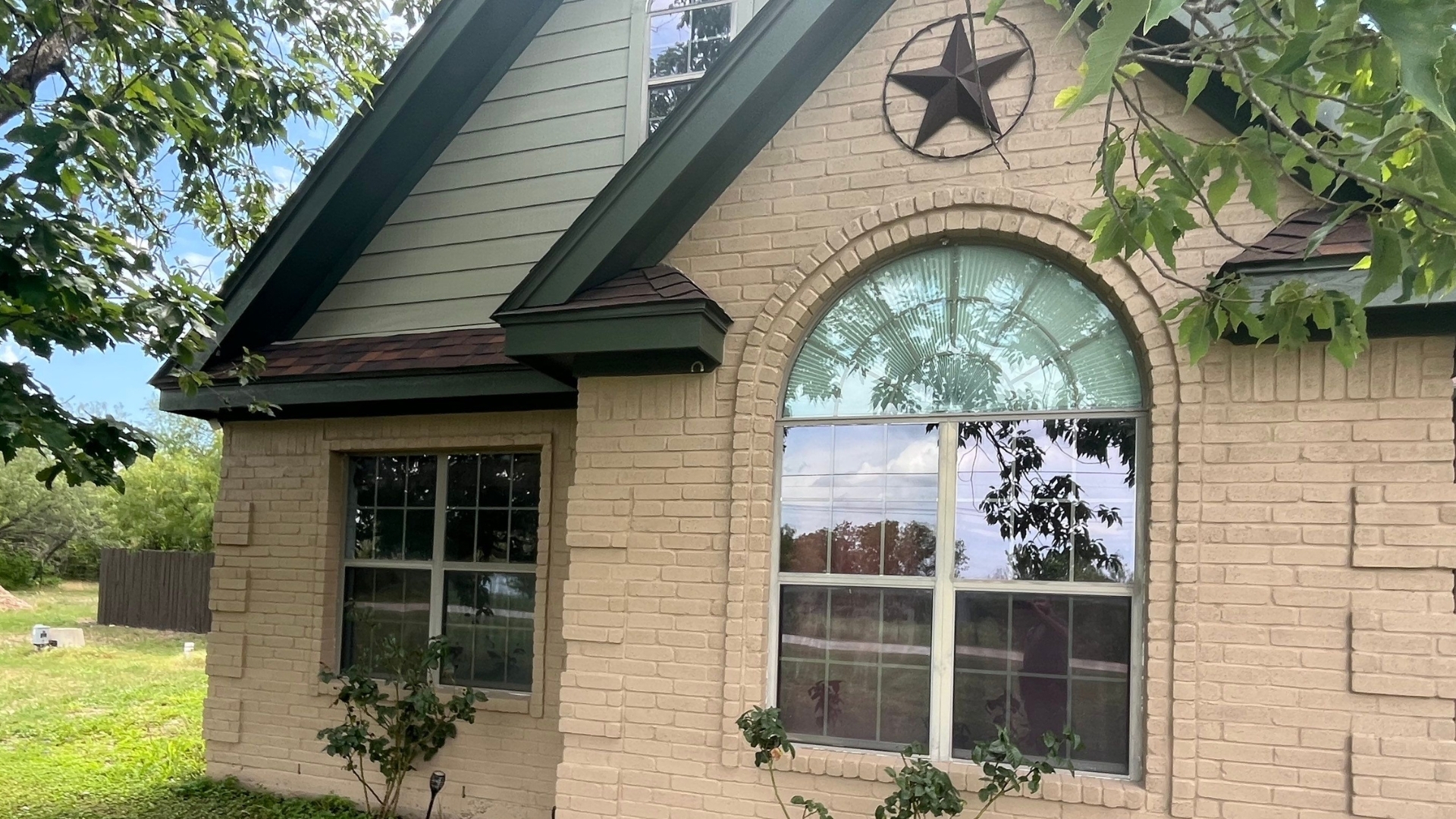
But is that actually true?
Or is it one of those answers that sounds confident but ignores context?
Here’s the honest truth.
Full-frame replacement is not always better.
It’s better when it’s necessary.
Let’s break that down simply.
What Full-Frame Replacement Actually Means
Full-frame replacement removes:
- The entire window
- The old frame
- The trim
- Down to the rough opening
It allows installers to:
- Inspect the structure
- Fix hidden damage
- Rebuild the opening correctly
- Start fresh
That level of access is powerful.
But it’s not always required.
When Full-Frame Replacement Makes Sense
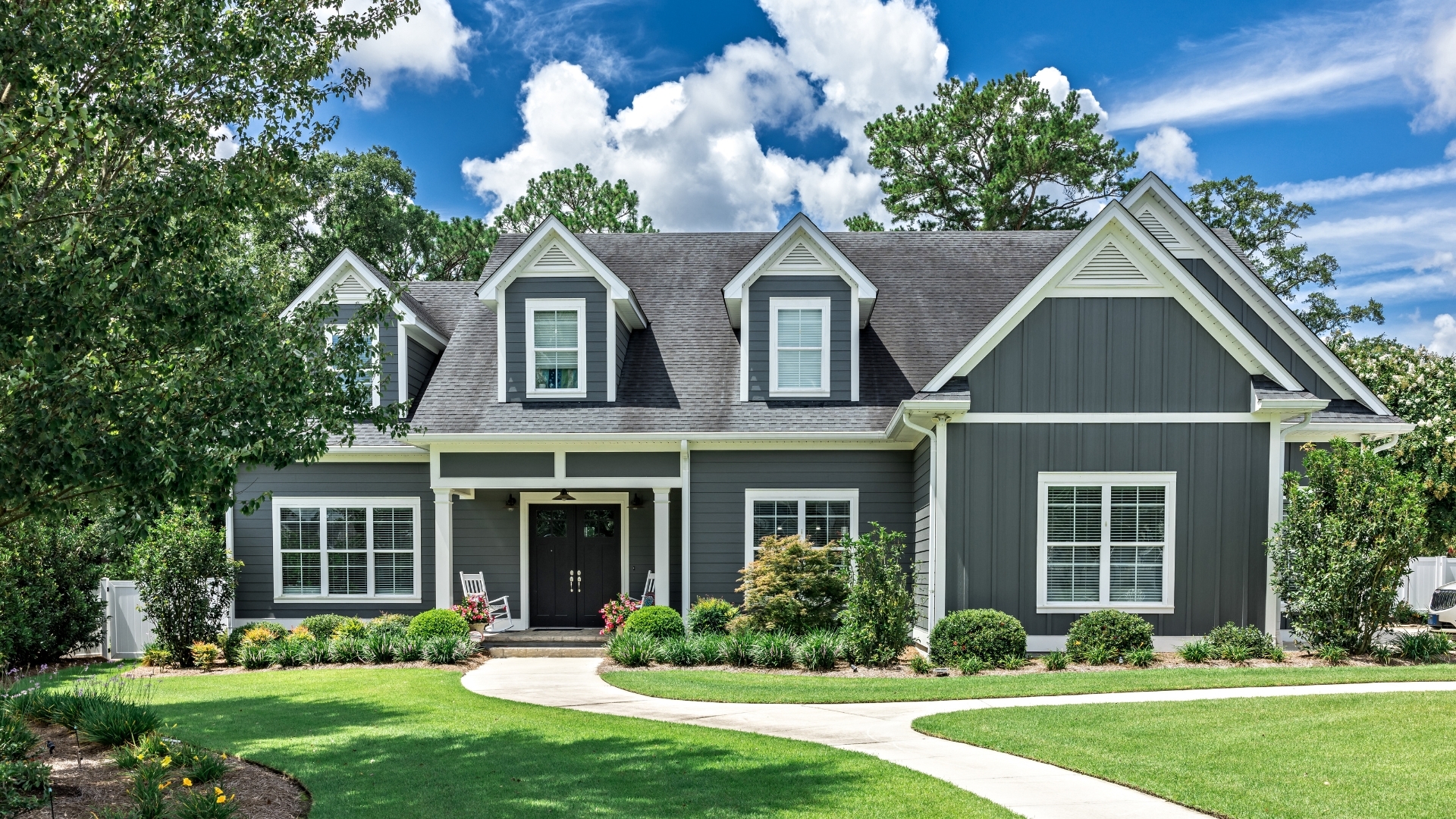
Full-frame replacement is usually the right choice when:
- Frames are rotted, warped, or damaged
- There are signs of water intrusion
- The home has older aluminum or builder-grade windows
- You’re changing window size or style
- The original installation was poorly done
In these cases, keeping the old frame creates risk.
You’re building on a foundation that may already be failing.
When an Insert Replacement Can Be Enough
Insert replacement keeps the existing frame and replaces:
- The sash
- The glass
- Internal components
This can work when:
- Frames are solid and square
- There is no moisture damage
- The existing opening was installed correctly
- You want less disruption
It’s faster, less invasive, and often more affordable.
But it relies heavily on the condition of what’s already there.
The Real Tradeoff Most Homeowners Don’t Hear
Full-frame replacement:
- Costs more
- Takes more time
- Solves more unknowns
Insert replacement:
- Costs less
- Is less disruptive
- Assumes the original frame is still doing its job
Neither is “right” by default.
The right answer depends on the condition of the home.
The Bottom Line
Full-frame replacement isn’t automatically better.
It’s better when the existing frame can’t be trusted long term.
The smartest approach starts with inspection, not assumption.
At Southwest Exteriors, we don’t default to one method. We evaluate the window opening, explain the risks, and help homeowners choose the option that protects their home without doing more than necessary.
_2508041318431-Feb-06-2026-11-37-52-0078-PM.jpg)