
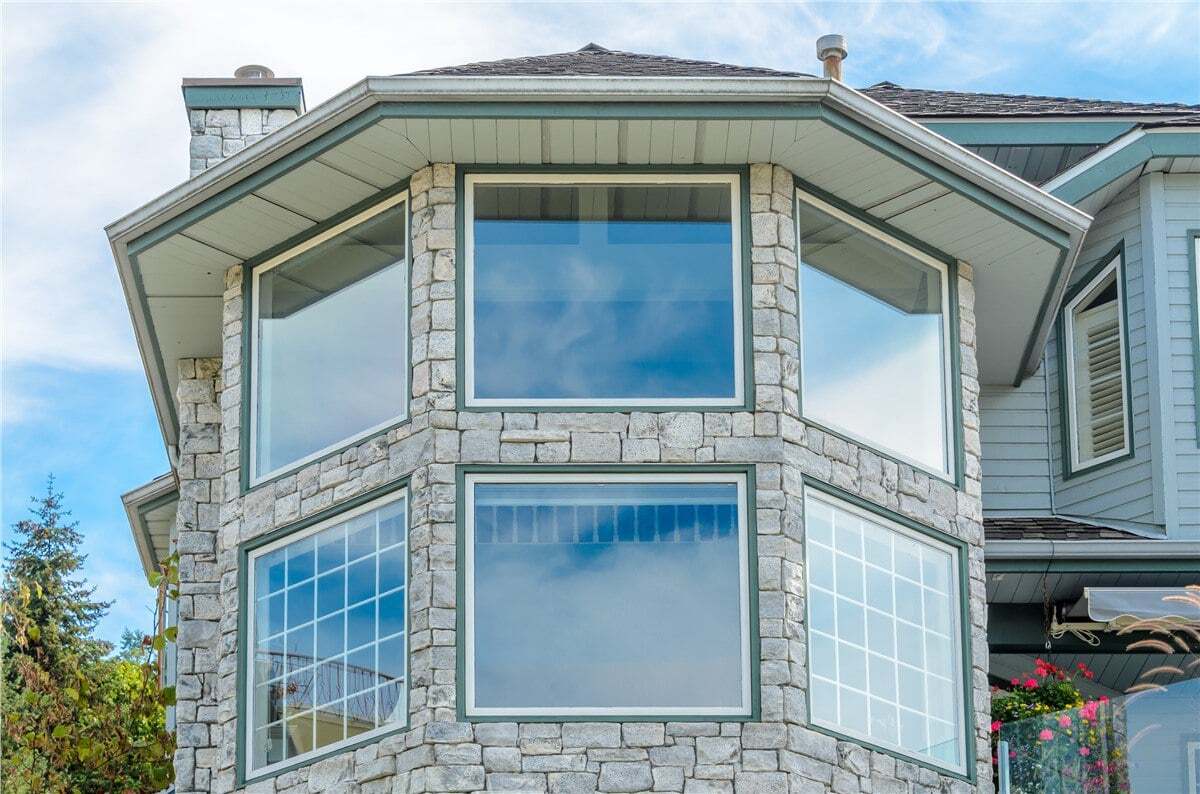
A clear, homeowner-friendly look at window design trends that affect how your home looks, feels, and functions, plus options many people do not realize they have.
When most homeowners start thinking about replacing windows, they assume the decision is mostly about energy efficiency or fixing something that is broken. In reality, windows influence how a home feels more than almost any other exterior element.
Heading into 2026, window trends are less about dramatic statements and more about thoughtful design choices. Homeowners want more light, cleaner lines, and materials that hold up long term without creating new problems later.
Many homeowners regret window projects not because they chose the wrong brand, but because they were never shown alternative layouts, materials, or configurations that could have worked better for how they actually live in the home.
These are the window trends we are seeing shape homes in 2026, especially for homeowners who are early in the process and want to understand what is possible before making permanent decisions.
1) Fewer, Larger Windows Instead of Multiple Small Ones
One of the biggest changes homeowners are making has nothing to do with style and everything to do with scale.
In many homes, two windows placed side by side can sometimes be replaced with one larger unit, such as a wide slider or a picture window. Structurally, this depends on the framing and header above the opening, but when it is possible, the visual impact can be significant.
- More visible glass and more natural light
- Fewer frames breaking up the view
- A cleaner look from both inside and outside the home
From a practical standpoint, this can also reduce the number of windows being purchased, although ventilation may change since only part of the opening may be operable.
Best for: living rooms, kitchens, and spaces where light and openness matter most
Important to consider: a single large window may offer less airflow flexibility than two separate operable windows
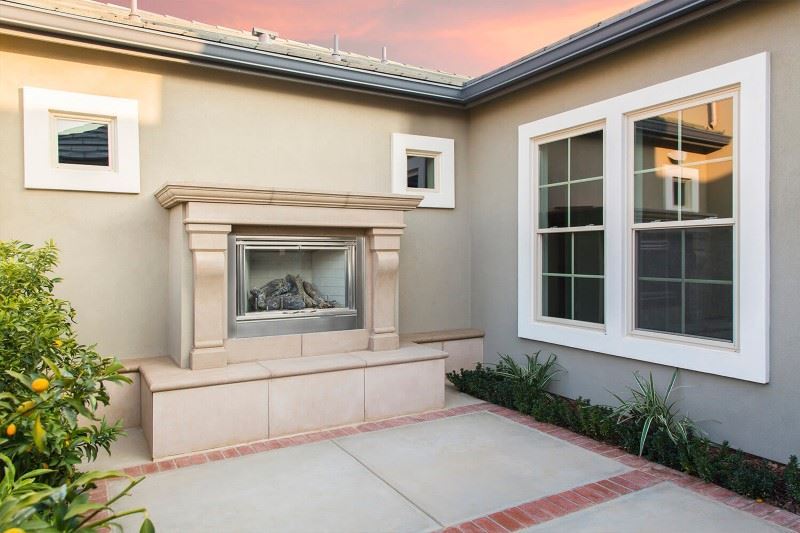
2) Thinner Frames That Allow More Glass
When homeowners talk about wanting thinner window frames, they are usually reacting to how much glass they can see. A thinner frame means less visual obstruction and a brighter, more open room.
What often gets overlooked is how closely frame thickness is tied to material strength. Frames cannot simply be made thinner without changing what they are made from or how they are engineered.
This is one reason fiberglass windows, like Infinity from Marvin, have become more common in thinner-profile designs. Fiberglass is stronger and more dimensionally stable than vinyl, which allows the frame to support larger glass areas without needing bulky reinforcement. It also expands and contracts at a rate closer to glass, which helps maintain seals over time.
The practical result is a window that lets in more light, feels less visually heavy from the inside, and still holds up to temperature swings, sun exposure, and long-term use.
Best for: homes that feel dark, rooms with smaller openings, and homeowners prioritizing clean sightlines
Good to know: not all materials can achieve thinner profiles without compromising durability
3) Windows Chosen With the Interior Experience in Mind
A noticeable shift for 2026 is homeowners choosing windows based on how the interior space feels, not just how the exterior looks from the street.
Frame thickness, interior color, and how the window aligns with trim and wall finishes all influence whether a window blends into a room or visually interrupts it. When these details are considered upfront, windows feel intentional rather than added on.
This is especially important in open floor plans where windows are visible from multiple angles and play a larger role in the overall design of the space.
If you need help with what works and what doesn't with your home, feel free to schedule a commitment free appointment with one of our Design Consultants if you are in the San Antonio area, they are experts in making sure your interior experience shines.
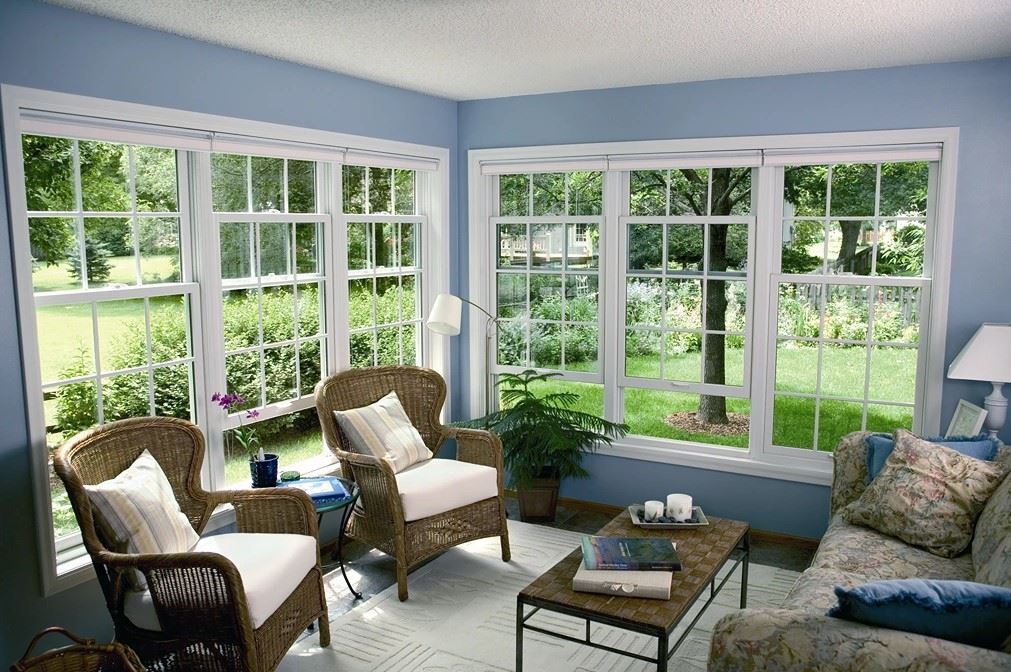
4) Grids Used Purposefully, Not Everywhere
Window grids are returning, but in a much more selective way.
Instead of adding grids to every window, homeowners are using them where they add architectural character, often on front-facing windows, while keeping side and rear elevations cleaner.
- Simpler grid patterns with fewer divisions
- Top-only grids to preserve views
- Grids used as an accent rather than a default
Best for: homes that want character without visual clutter
5) Window Styles Selected Room by Room
Another clear trend is moving away from one window style used everywhere in the home.
Homeowners are selecting window styles based on how each room functions. For example, larger sliders or picture windows are often chosen for living spaces, while casement or operable windows are prioritized in kitchens and bedrooms for ventilation.
This approach requires thoughtful planning, but it often results in a home that feels more comfortable and better suited to daily life.
Best for: homeowners focused on function as much as appearance
Important detail: mixing styles works best when coordinated intentionally
6) Window Finishes That Balance Interior and Exterior Design
One of the most impactful yet least discussed trends is choosing window finishes that work well on both sides of the glass.
Dual-finish windows, where the interior and exterior colors differ, allow homeowners to maintain strong curb appeal while keeping interior spaces bright and cohesive. This is especially useful for those who prefer darker exterior frames but lighter interiors.
Some fiberglass window lines, including Infinity, offer this flexibility by design. The strength of fiberglass allows for durable finishes that hold color well on the exterior while offering softer or neutral options inside.
Best for: homeowners who want architectural contrast outside without darkening interior spaces
Why it matters: windows influence interior comfort just as much as exterior appearance
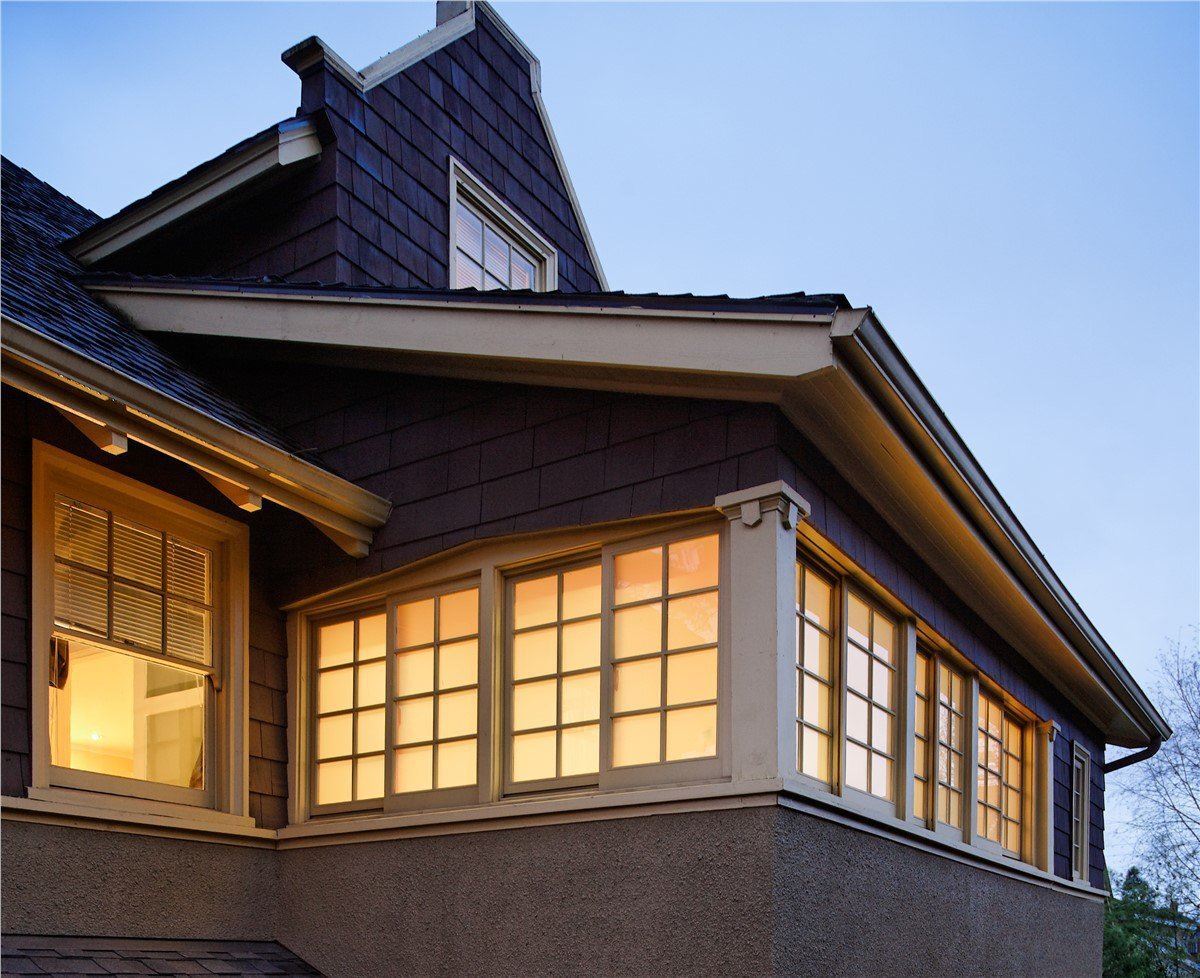
7) Simpler Designs That Age Well
Across all window trends for 2026, the common thread is simplicity.
Homeowners are prioritizing designs that reduce visual noise, allow more natural light, and hold up stylistically over time. Windows that complement the home rather than compete with it tend to deliver the most long-term satisfaction.
- Fewer visual breaks
- Cleaner lines
- Materials chosen for longevity
How to Apply These Trends Thoughtfully
Trends should guide decisions, not replace good judgment.
- Consider how each room is used before choosing window styles
- Ask about material differences and why they matter
- Explore layout changes instead of default replacements
A well-planned window project should leave you feeling informed and confident, not rushed into a decision.
Need help understanding what makes sense for your home?
Southwest Exteriors design consultants help homeowners walk through window layouts, materials like fiberglass, style options, and finish choices in a pressure-free way. The goal is clarity, so you can make decisions that feel right for how you live in your home.
_2508041318431-Feb-06-2026-11-45-16-8475-PM.jpg)