
Most homeowners start researching new windows because something in the house just doesn’t feel right anymore. A room is hot, a window sticks, the glass fogs, or the energy bill quietly creeps up.
But here’s the real question that matters way more than brand names, glass packages, or marketing buzzwords:
“What problem am I actually trying to fix?”
Because the truth is, you don’t buy windows for the window, you buy them for the problem they solve.
And once you understand the problem clearly, choosing the right solution becomes a whole lot easier.
At Southwest Exteriors, we’ve helped San Antonio homeowners diagnose window frustrations for over 30 years. We’ve seen every issue you can imagine (and a few we wish we couldn’t). So, we took all that experience and decided to create a guide that breaks down the most common REAL problems people see.
Let's find out what category you might fall into.
Problem 1: “My home is too hot, too cold, or just… inconsistent.”
This is one of the biggest reasons homeowners consider replacement windows.
If you notice:
- Rooms that spike in temperature every afternoon
- Drafts you can literally feel
- Hot spots near windows
- Your AC running nonstop
What’s actually happening:
Your glass, seals, or frame aren’t insulating the way they were designed to. Even if the window looks “fine,” the performance behind the scenes may have broken down.
What solves it:
- Modern low-E glass
- Lower solar heat gain (SHGC)
- Tight, well-built frames
- Better air sealing
In short: If comfort is your problem, performance glass + tight frames are the solution.
Problem 2: “My windows look old, cloudy, or faded.”
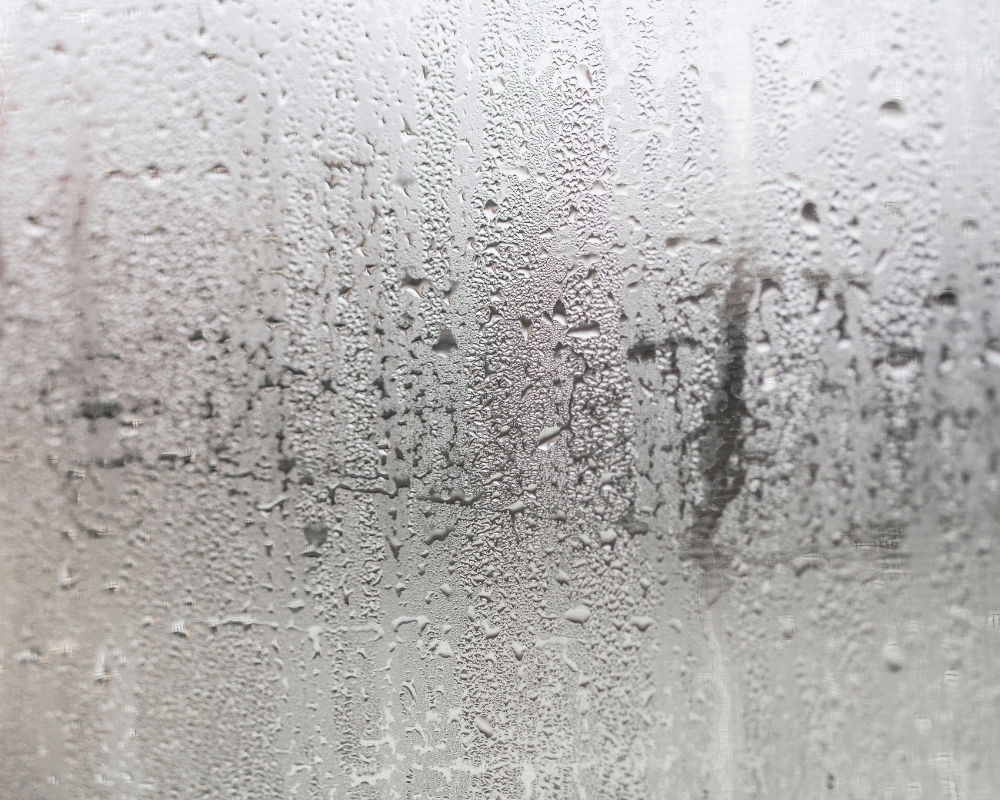
Sometimes you’re not dealing with drafts, you’re dealing with windows that drag down your home’s appearance.
If you notice:
- Fog between the panes
- Yellowing or faded frames
- Scratched or cloudy glass
- Visible seal failure
- A style that dates your home
What’s really going on:
Fogging means the insulated glass unit has failed. Fading or discoloration means the frame has taken years of UV abuse.
What solves it:
- Glass-only replacement (only if the frames are still solid)
- Or full replacement if the window structure is aging
- Updated interior and exterior finishes
If the goal is curb appeal or clarity, the right replacement can transform the whole space.
Problem 3: “My windows are a pain to open, close, or lock.”
This one sneaks up on people.
Suddenly you’re wrestling your window like it owes you money.
If you notice:
- Sticking or jamming
- Windows that won’t stay open
- Locks that don’t line up
- Sashes that wobble, tilt, or scrape
The real issue:
This is almost always a structural or hardware failure, NOT a glass problem. It’s the frame, balances, or sash alignment aging out.
What solves it:
A full window replacement.
These issues rarely have long-term repairs that stick.
Problem 4: “I’m seeing signs of damage around the frame.”
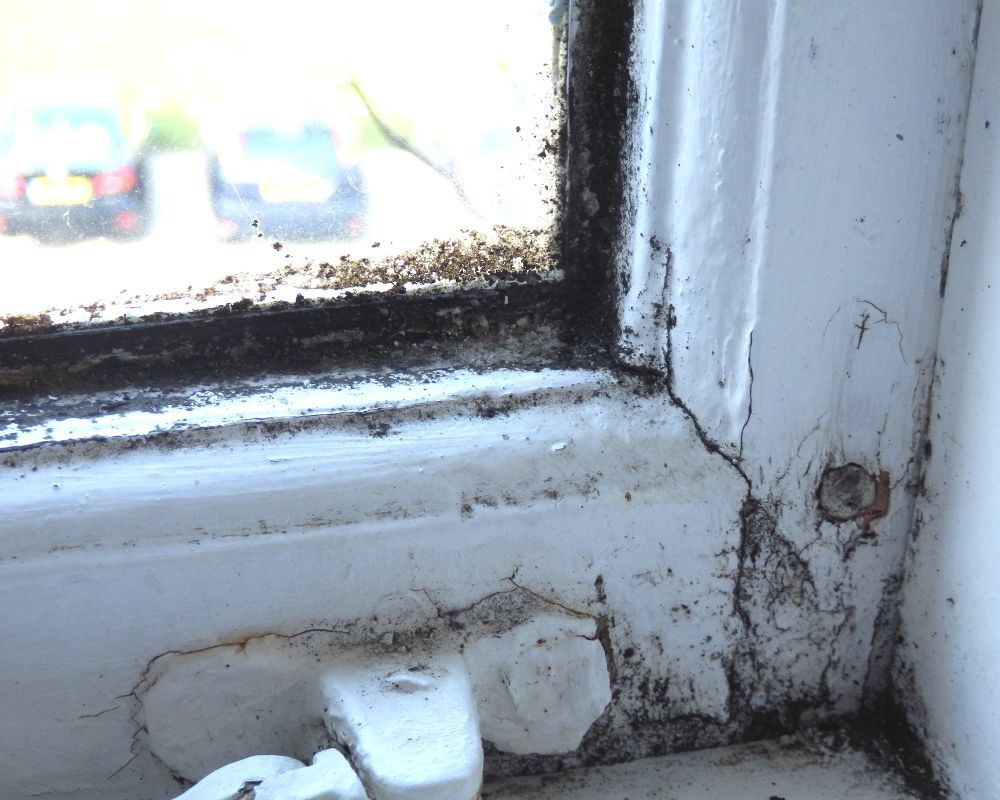
This is where things shift from annoying to serious.
If you notice:
- Soft or spongy wood
- Cracked vinyl
- Warped frames
- Moisture staining
- Bugs getting in around the edges
What’s actually happening:
The structure around your window is compromised. Water and pests can now get into the home and that never stops on its own.
What solves it:
Replacing the full unit and repairing the compromised opening.
This protects the home and prevents much bigger issues later (like rot traveling into the wall).
Problem 5: “My energy bills are going up for no clear reason.”
This is the problem that hides in plain sight.
If you notice:
- Bills rising year over year
- Rooms that can’t hold temperature
- AC/heat running more often
What’s really happening:
You’re paying for the energy that’s leaking right back outside.
What solves it:
- Updated glass performance
- Lower IR and UV transmission
- Tighter installation
- Better whole-window insulation
Replacing the windows doesn’t magically fix a home’s entire efficiency, but it does eliminate one of the major sources of energy loss.
Problem 6: “My windows are original, and I’m starting to wonder how long they were meant to last.”
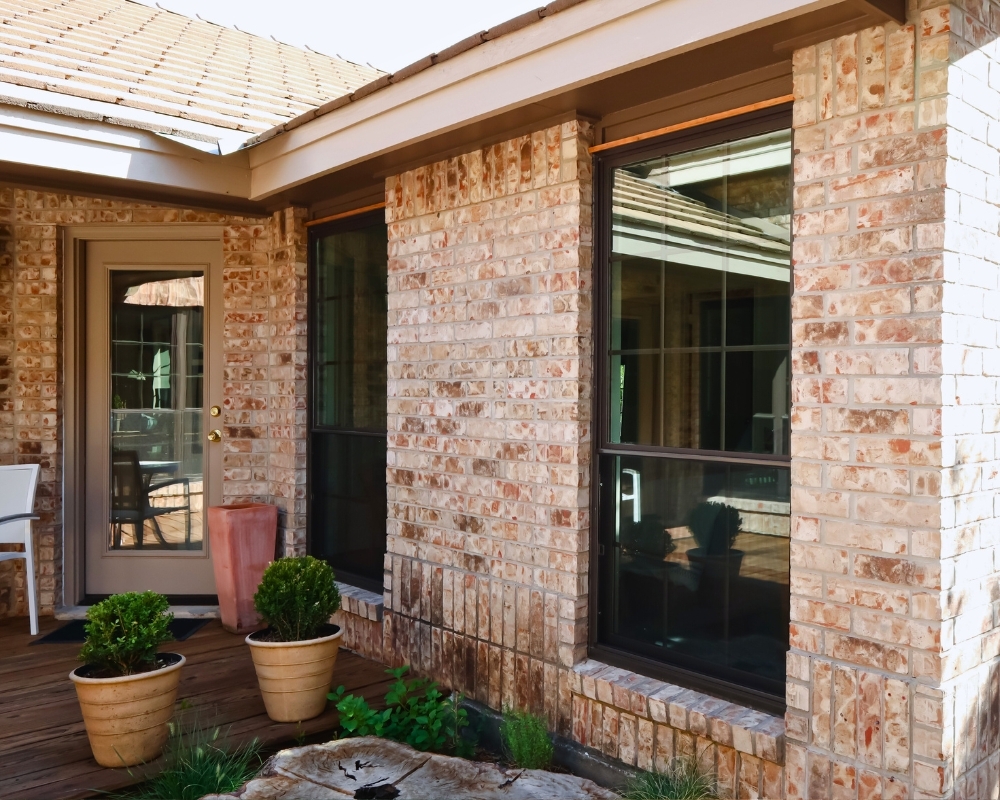
If your home is older and the windows haven't been touched, it’s fair to ask the question.
General lifespan guide:
- Builder grade: 10–15 years
- Mid-tier vinyl: 15–20 years
- Fiberglass: 30–50+
- Aluminum (in Texas): hit-or-miss depending on sun exposure
Old windows don’t suddenly fail, they slowly decline in performance until one day you can’t ignore it anymore.
If you’re seeing multiple symptoms at once, the age is probably catching up.
So… what problem are YOU actually trying to solve?
Here’s the simplest way to think about it:
Your windows are either failing physically, failing visually, or failing to make your home feel the way it should.
Once you know the real problem, the right solution becomes obvious and you stop wasting time comparing features that don’t actually matter for your home.
How Southwest Exteriors Helps You Identify the Real Issue
We don’t start with the product.
We start with the question:
“What do you want to feel different in your home?”
Then we:
- Test your glass with a window analyzer
- Check frames, seals, and structure
- Show you live readings
- Explain what your home actually needs not what we want to sell
- Give you options for full or phased projects
- Leave you with a written price that doesn’t change if you need time
No pressure. No gimmicks. No picking sides between vinyl and fiberglass.
Just clarity.
The Bottom Line
You don’t shop for windows, you shop for solutions.
Once you understand the problem, the right window practically picks itself.
If you want help diagnosing what’s really going on with your windows, schedule a commitment-free consultation. We’ll walk through your home, show you exactly what’s happening behind the glass, and help you find the option that fits your comfort, your goals, and your budget.
Your home should feel the way you want it to feel.
We’d love to help you get it there.
_2508041318431-Feb-06-2026-11-45-16-8475-PM.jpg)