
Most window installations don’t fail right away.
They fail quietly.
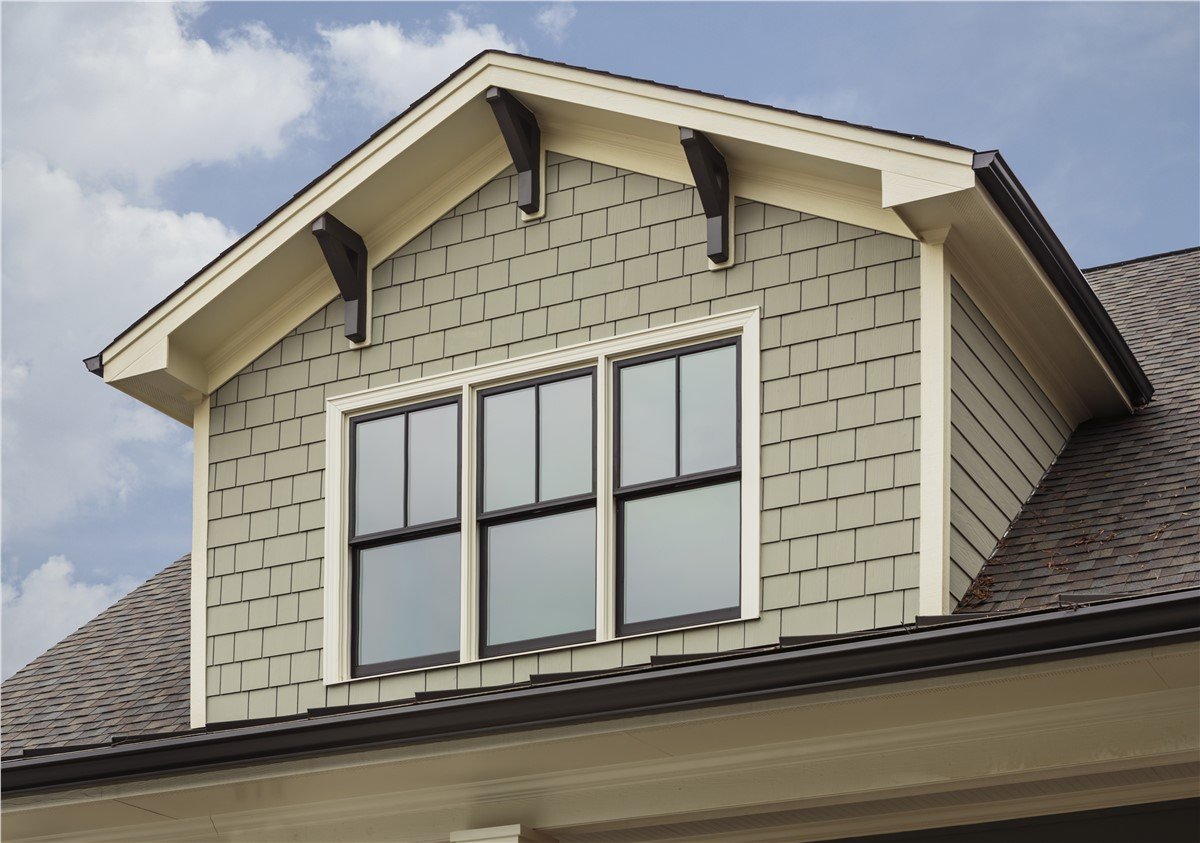
Five years go by.
Ten years go by.
Then one day, you notice a draft. Or moisture. Or fog. Or trim that doesn’t look right.
And the question becomes:
“How did this happen if the windows were installed correctly?”
Here’s the honest answer.
Most window failures aren’t caused by the window.
They’re caused by what happened during installation that no one explained at the time.
Let’s walk through the real reasons installations fail years later.
1. Water Management Was Never Done Properly
This is the biggest one.
A window isn’t waterproof on its own.
It relies on proper flashing, sealing, and drainage to keep water out of the wall.
When corners are cut, installers may:
- Skip sill pan flashing
- Rely only on caulk
- Reuse old flashing
- Seal the window without giving water a way out
At first, everything looks fine.
But over time, water finds its way behind the window.
That means the moisture doesn’t show up immediately.
It slowly damages framing, insulation, and drywall from within until the problem becomes visible.
By then, the window gets blamed for an installation failure.
2. Expansion and Movement Were Ignored
Homes move.
Materials expand and contract.
Especially in places like Texas.
If a window is installed without accounting for movement:
- Frames can shift
- Seals can break
- Gaps can form
- Sashes can fall out of alignment
This usually happens when:
- The opening isn’t squared properly
- The window is forced into place
- Shims are used incorrectly
- Fasteners are overdriven
The window works at first.
Years later, it starts sticking, leaking air, or letting in moisture.
3. Insulation Was Done Fast, Not Correctly
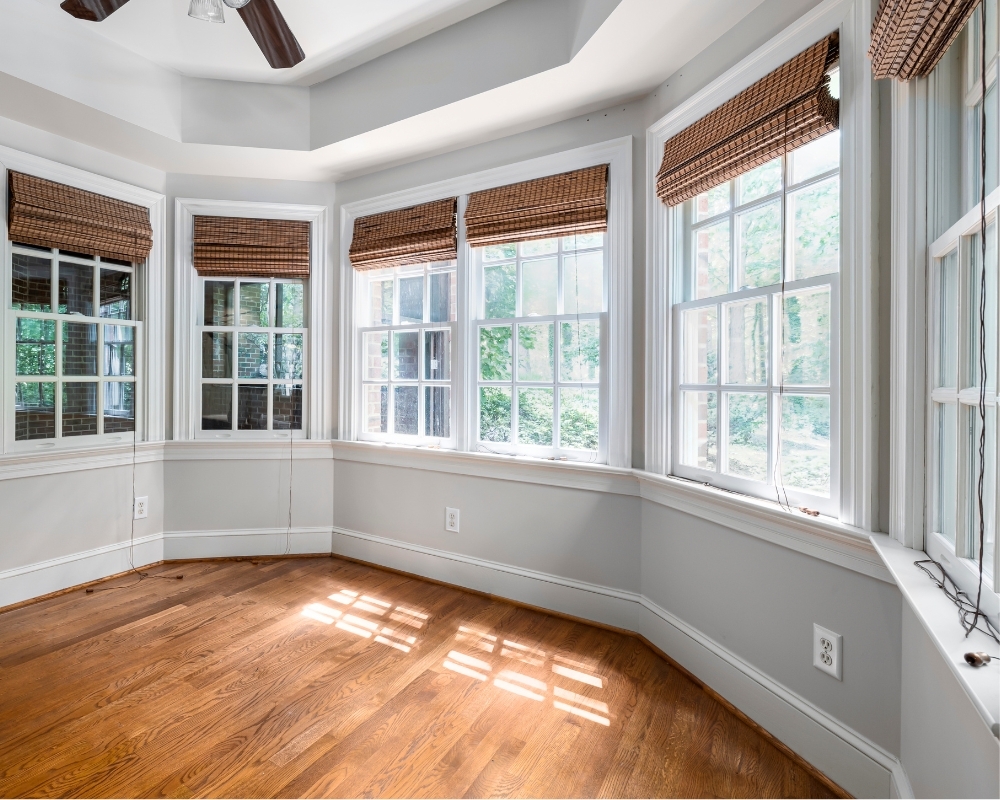
Insulation around a window is not just about filling space.
When it’s rushed or overpacked:
- Frames can bow
- Seals can be stressed
- Air pockets can form
When it’s skipped or done lightly:
- Drafts develop
- Temperature swings increase
- Condensation becomes more likely
This is one of those details homeowners never see.
But it plays a huge role in long-term performance.
4. Hidden Damage Was Covered Up Instead of Fixed
Sometimes, the real problem existed before the new window went in.
Rot.
Water damage.
Old framing issues.
If those are ignored or covered up:
- The window is installed into a failing structure
- The problem continues behind the scenes
- The window takes the blame later
A proper installation sometimes means slowing down, opening things up, and fixing what’s underneath.
That costs more and it’s one of the reasons some companies avoid it bringing it to your attention.
5. The Installation Was Designed for Speed, Not Longevity
This is where philosophy matters.
Some companies are built around:
- Speed
- Volume
- Turnover
Others are built around:
- Process
- Standards
- Long-term outcomes
Fast installations can look great on day one.
Longevity depends on what happens when no one is watching.
The Pattern We See Over and Over
When window installations fail years later, it’s rarely one mistake.
It’s usually a combination of:
- Skipped steps
- Rushed decisions
- Assumptions that “it’ll be fine”
And most homeowners were never told those tradeoffs existed.
The Bottom Line
Window failures don’t usually start with the window.
They start with installation decisions that favor speed and cost over durability.
That’s why two homes with the same window can have completely different outcomes.
At Southwest Exteriors, we believe homeowners deserve to understand how and why installations succeed or fail over time. Not to scare anyone. Not to upsell. But to make sure decisions are made with clarity, not assumptions.
Because the real cost of a window isn’t what happens this year.
It’s what happens ten years from now.
_2508041318431-Feb-06-2026-11-37-52-0078-PM.jpg)